British Citizenship UK – Eligibility, Rights and Legal Advice
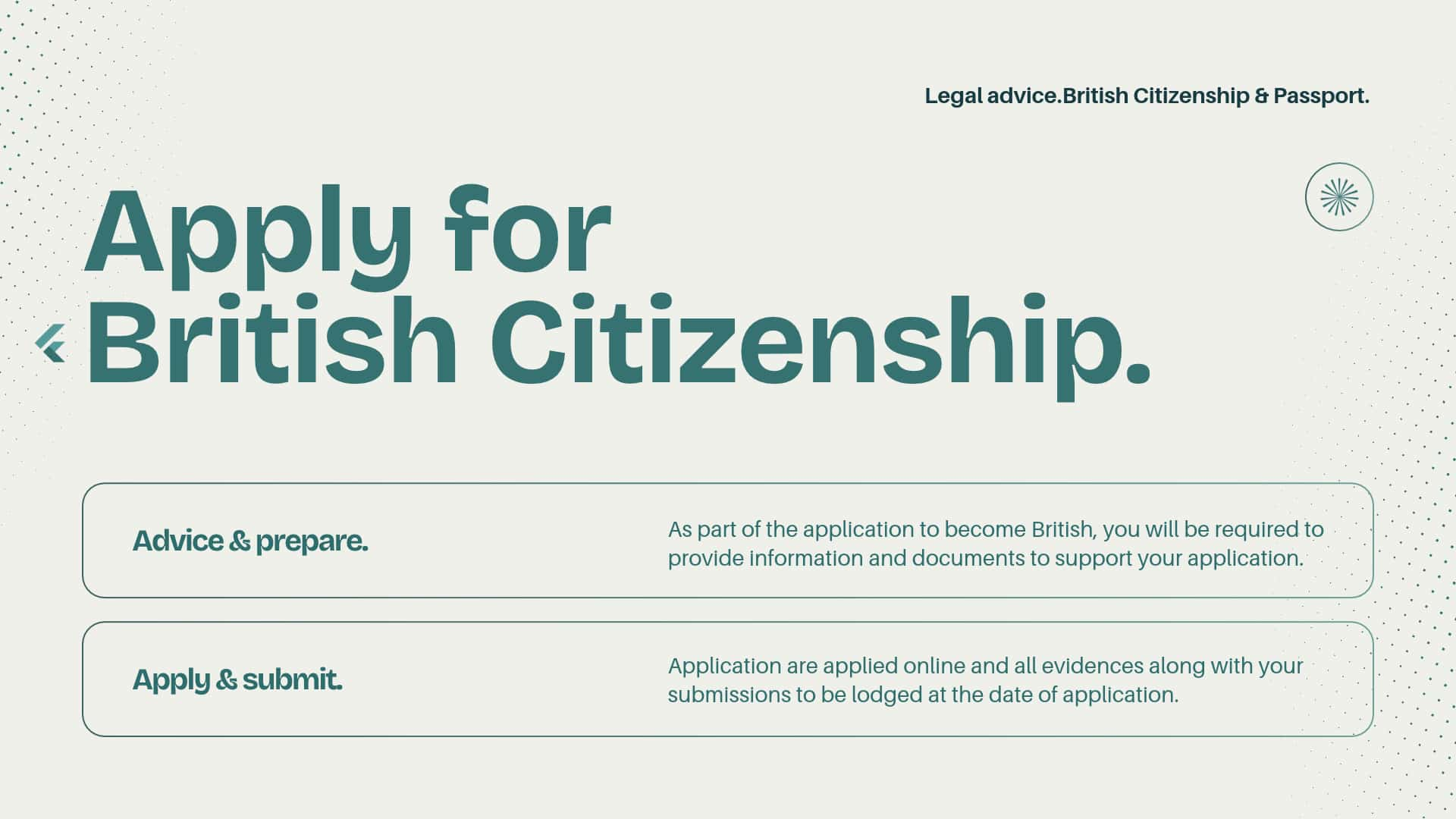
Becoming a British Citizen
British citizenship is an important milestone for individuals and families who have established their lives in the United Kingdom and wish to secure a permanent legal connection with the country.
For many applicants, citizenship follows a period of lawful residence and settlement. For others, British citizenship may arise through marriage-related naturalisation provisions, registration or existing rights under nationality legislation. Understanding which route applies is essential. Holding Indefinite Leave to Remain, having settled status or living in the UK for several years does not automatically make someone a British citizen.
ICS Legal provides professional advice and representation for British citizenship matters, helping individuals assess their eligibility, understand the relevant legal requirements and address potential complications before making an application.
With over 20 years of immigration and nationality caseworking experience, our Legal Team assists clients seeking to make the United Kingdom their permanent home.
What Is British Citizenship?
British citizenship is a legal nationality status that generally provides the unrestricted right to live, work and study in the United Kingdom. British citizens are not subject to ordinary immigration permission requirements and may apply for a British citizen passport.
Citizenship also provides opportunities to participate more fully in civic life, including voting in elections where the relevant electoral eligibility requirements are satisfied. British citizenship is distinct from permanent immigration permission.
Someone holding Indefinite Leave to Remain or settled status may live in the UK without a time limit, but remains a person with immigration status rather than British citizenship. For individuals considering citizenship, the first step is to establish whether they already hold British nationality or need to acquire it through an appropriate legal process.
Why apply for British Citizenship?
Becoming a British citizen can provide long-term certainty for individuals who intend to maintain their connection with the United Kingdom.
Potential benefits include:
Permanent Right to Live in the UK
British citizens generally have an unrestricted right to live in the United Kingdom without needing to extend immigration permission.
Unlike Indefinite Leave to Remain, British citizenship is not ordinarily lost simply because the individual spends an extended period living overseas.
British Passport Eligibility
British citizens may apply for a British citizen passport, subject to the applicable passport requirements.
A British passport can provide evidence of nationality and facilitate international travel, although entry requirements continue to depend on the destination country.
Greater Certainty for Family Planning
British citizenship can be relevant when determining the nationality position of children, particularly where a family has international connections.
Whether citizenship passes automatically to a child depends on the parent's citizenship classification and the circumstances of the child's birth.
Civic Participation
British citizenship can provide access to electoral and other civic rights, subject to the rules applicable to the particular activity.
Long-Term Security
Citizenship can offer greater certainty for individuals who wish to maintain their connection with the UK while pursuing personal, professional or family opportunities internationally.
However, British citizenship remains subject to nationality legislation, including statutory provisions governing deprivation in specified circumstances.
Who can become a British Citizen?
There is no single route suitable for every individual. The correct pathway depends on whether the person already holds British citizenship, their age, immigration status, residence history and family circumstances.
The principal possibilities include:
-
Naturalisation following qualifying residence and settlement.
-
Naturalisation under provisions applying to spouses or civil partners of British citizens.
-
Registration under a statutory nationality provision.
-
Existing citizenship acquired automatically through birth or descent.
Some applicants may qualify under provisions involving historical nationality rights or exceptional circumstances. ICS Legal can assess the relevant circumstances and identify the appropriate route.
British Citizenship following Indefinite Leave to Remain
Many individuals consider British citizenship after obtaining Indefinite Leave to Remain (ILR). ILR generally permits an individual to live and work in the UK without a time restriction. However, ILR and British citizenship are separate legal statuses.
Under the ordinary five-year naturalisation route, an applicant generally needs to have been free from immigration time restrictions for at least 12 months before applying. There are exceptions, including the different requirements applying to qualifying spouses and civil partners of British citizens.
Applicants must also satisfy the other statutory naturalisation conditions. Obtaining ILR does not guarantee approval of a subsequent citizenship application.
ICS Legal can assess whether an individual's settlement and residence history supports an application for British citizenship.
British Citizenship with EU Settled Status
Individuals who hold settled status under the EU Settlement Scheme may be eligible to apply for British citizenship. Settled status is a form of indefinite immigration permission, but it is not itself British citizenship.
Applicants normally need to satisfy the relevant naturalisation requirements, including the qualifying residence period, applicable absence limits, good character and the required period free from immigration time restrictions.
Some individuals may also need to consider whether their immigration history and residence evidence establish compliance with the relevant statutory requirements. Those holding pre-settled status may have different considerations and should not assume that the absence of settled status automatically excludes every possible application.
ICS Legal provides advice where EU Settlement Scheme status forms part of a British citizenship assessment.
British Citizenship through marriage or civil partnership
Being married to or in a civil partnership with a British citizen does not automatically confer British citizenship. However, the British Nationality Act 1981 provides a separate naturalisation framework for qualifying spouses and civil partners of British citizens.
Applicants under this route generally need to demonstrate three years of qualifying residence and be free from immigration time restrictions at the date of application. They do not normally need to have held ILR or settled status for a further 12 months.
Other requirements, including residence, absences, language, knowledge of life in the UK and good character, remain relevant. ICS Legal can assess whether an applicant qualifies under the marriage or civil partnership provisions.
Residence and absences before citizenship
Residence is an important consideration for many British citizenship applicants. For ordinary naturalisation, the qualifying period is generally five years. A three-year period generally applies to qualifying applicants married to or in a civil partnership with a British citizen.
The Home Office also considers periods spent outside the United Kingdom. The ordinary absence thresholds are generally:
-
Five-year route: 450 days during the qualifying five-year period.
-
Three-year spouse or civil partner route: 270 days during the qualifying three-year period.
-
Both routes: normally no more than 90 days during the final 12 months.
The applicant must also generally have been physically present in the UK at the beginning of the relevant qualifying period, subject to statutory provisions and applicable discretion. Exceeding an absence threshold does not automatically mean that every application must fail. The Home Office may exercise discretion in specified circumstances. Applicants with extensive international travel should seek advice before applying.
English Language and Life in the UK requirements
Most adult naturalisation applicants must satisfy requirements relating to knowledge of language and life in the United Kingdom. The language requirement can generally be met through an accepted English-language qualification, a qualifying academic qualification or another permitted method.
Welsh or Scottish Gaelic may also be used where the applicable requirements are satisfied. Applicants ordinarily need to pass the Life in the UK Test unless an exemption applies. Age, medical circumstances and other statutory or policy provisions may be relevant to exemptions.
ICS Legal can advise on whether an applicant's existing qualifications or circumstances meet the requirements.
Good Character and British Citizenship
Good character is a significant part of many British citizenship applications. The Home Office considers an applicant's conduct and history under the applicable nationality legislation and policy.
Relevant matters can include:
-
Criminal convictions and other offending.
-
Immigration breaches.
-
Deception or false representations.
-
Financial and tax-related misconduct.
-
Conduct involving dishonesty.
-
Other matters relevant to the Home Office's assessment.
A previous issue does not necessarily have the same legal consequence in every case. The nature, timing and circumstances of the conduct can be important, although certain matters may create substantial obstacles. Applicants should disclose relevant information accurately and obtain advice where their history may raise concerns.
ICS Legal assists clients in assessing good character issues before submitting a British citizenship application.
British Citizenship for Children and Families
The nationality position of children is not always the same as that of their parents. Some children are British automatically from birth, while others may qualify for registration. A child does not necessarily become British merely because a parent is granted naturalisation.
Families should therefore consider the nationality position of each child individually. Where a parent intends to apply for citizenship, it may be appropriate to assess whether their children have existing citizenship rights or require separate applications.
ICS Legal assists families in identifying the appropriate nationality arrangements. For detailed information, please refer to our separate British Nationality for Children guidance.
British Citizenship and Dual Nationality
The United Kingdom generally permits individuals to hold more than one nationality. This means that becoming British does not, under UK law alone, normally require a person to renounce their existing citizenship. However, other countries may have laws restricting dual nationality.
Acquiring British citizenship could therefore have consequences under the nationality law of another country. Applicants should establish their position with the relevant national authorities or an appropriately qualified adviser before proceeding.
British Citizenship and living overseas
British citizenship is particularly relevant for individuals who intend to divide their time between the UK and other countries. Unlike ILR, British citizenship is not normally subject to automatic lapse after a specified period of absence from the UK. Nevertheless, citizenship does not remove the need to comply with the immigration laws of other countries.
British citizens who have children overseas should also consider whether citizenship will pass automatically to those children. The relevant nationality rules depend on the parent's citizenship status and how that citizenship was acquired.
What happens after British Citizenship Is granted?
A successful naturalisation application does not necessarily mean that the applicant immediately becomes a British citizen. Most adult applicants are required to attend a citizenship ceremony and make the prescribed oath or affirmation and pledge. Citizenship is normally acquired when the required ceremony process has been completed.
The individual receives a certificate of naturalisation as evidence of citizenship. A British passport is a separate document and requires a separate application. The precise arrangements may differ for certain nationality registration cases.
British Citizenship refusals and complex applications
Not all citizenship applications are successful. Applications may raise issues involving residence, immigration history, good character, documentation or the interpretation of statutory requirements.
A refusal should be reviewed against the legal basis of the application and the reasons given by the Home Office. There is generally no ordinary statutory appeal against a naturalisation refusal, although reconsideration or judicial review may be available in appropriate circumstances.
Applicants should obtain advice before submitting a fresh application or pursuing a challenge. ICS Legal provides advice on complex citizenship matters and unsuccessful applications.
How ICS Legal can help with British Citizenship
ICS Legal provides professional immigration and nationality assistance tailored to the circumstances of each client. Our services include:
-
Assessing eligibility for British citizenship.
-
Reviewing ILR and EU settled status.
-
Advising on the appropriate citizenship route.
-
Assessing residence periods and overseas absences.
-
Reviewing English language and Life in the UK requirements.
-
Considering good character and immigration history issues.
-
Advising on citizenship applications involving spouses and civil partners.
-
Reviewing nationality arrangements for children.
-
Preparing applications and supporting legal representations.
-
Assisting with complex cases and previous refusals.
We begin by reviewing the individual's circumstances and identifying potential issues that may affect the application. Our Legal Team can then provide advice on the appropriate next steps and the professional assistance required.
Why choose ICS Legal?
ICS Legal has provided immigration and nationality services since 2006. We understand that becoming a British citizen can be an important personal decision involving long-term residence, family arrangements and future plans.
Some applications are straightforward, while others involve complicated residence histories, earlier immigration decisions or questions about eligibility. Our Legal Team provides tailored advice, structured case preparation and professional representation throughout the agreed scope of work.
Resources & references
The content has been written in line with the following policy law and guidance’s. Any changes are updated in the following:
-
British Nationality Act 1981 - https://www.legislation.gov.uk/ukpga/1981/61.
- Historical information related to British Nationality laws - https://en.wikipedia.org/wiki/British_nationality_law.
Author
The contents on this page has been written by a qualified Lawyer at ICS Legal. We are a regulated law firm in the UK by the Immigration Advice Authority. ICS Legal have been advising & helping our client's since 2006. You can find all our information related to our regulatory bodies here.
Stay connected with us on LinkedIn.
Legal Disclaimer
We update our pages with information to confirm the date/time this page had been updated on the top. However the information provided here is for general purposes and does not constitute legal advice.
This also does not create a client-Lawyer relationship based on the contents of our pages. We recommend that you either speak to the Home Office or our Lawyers at ICS Legal to take advice on your matter before you proceed on an application.